
Introduction
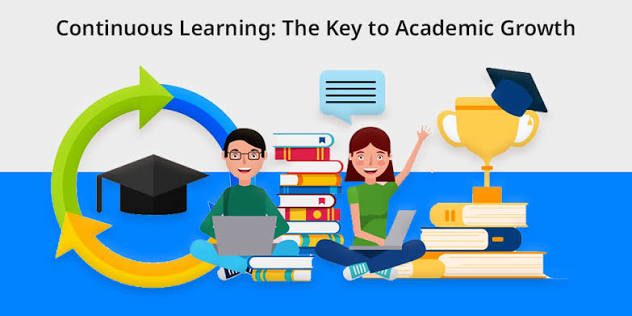
Learning is a lifelong process that helps people understand the world, improve their abilities, and adapt to changing circumstances. Education does not end when someone graduates from school or university. New technologies, professional expectations, and everyday challenges create opportunities to develop additional knowledge throughout life.
Continuous learning allows individuals to remain curious and prepared for new experiences. It can improve professional performance, strengthen personal confidence, and make everyday activities easier to manage.
In a world where information is widely available, developing effective learning habits has become more important than ever.
Why Learning Should Never Stop
The world changes constantly. Industries introduce new technologies, businesses adopt different working methods, and societies develop new ways of solving problems.
People who continue learning are often better prepared to respond to these changes.
For example, employees may need to learn new software to complete their responsibilities. Business owners might study digital marketing to reach more customers. Students may explore additional subjects to discover career opportunities.
Continuous learning also supports personal development. Reading books, exploring unfamiliar subjects, and practicing creative activities can introduce new perspectives.
Learning Through Digital Resources
The internet has made education more accessible. People can now access online courses, educational videos, digital libraries, discussion forums, and interactive tutorials.
These resources allow individuals to study according to their schedules and learning preferences.
Someone who wants to improve writing skills can follow online lessons. Another person interested in photography can watch demonstrations and practice techniques at home.
Digital resources are particularly useful because learners can revisit information whenever necessary.
However, the quality of online information varies. It is important to select trustworthy educational platforms and compare information before relying on it.
Reading as a Foundation for Knowledge
Reading remains one of the most effective ways to develop knowledge. Books, articles, reports, and educational publications expose readers to different ideas and experiences.
Regular reading can improve vocabulary, comprehension, concentration, and writing ability.
It also helps people become more comfortable with complex subjects. Instead of relying only on short explanations, readers can explore topics in greater depth.
A useful approach is to choose reading material that matches personal interests while occasionally exploring unfamiliar subjects.
For example, someone interested in technology might also read about communication, psychology, history, or business management.
This combination encourages broader thinking.
The Role of Communication in Learning
Learning often involves asking questions, discussing ideas, and exchanging information with others.
Students communicate with teachers, colleagues share professional experiences, and online learners participate in educational communities.
Clear communication makes these activities more productive.
Digital learning environments also introduce specialized language. Students may encounter abbreviations in discussion boards, messaging groups, and online course platforms. Understanding unfamiliar expressions can help them follow conversations without losing important information.
Resources explaining OTL meaning in text can help readers investigate unfamiliar digital expressions they encounter while communicating online.
Being comfortable with digital language is a useful part of participating in modern educational environments.
Developing Practical Skills Through Practice
Knowledge becomes more valuable when people apply it.
Reading about photography, for example, provides useful information, but taking photographs helps develop practical ability. Similarly, studying a foreign language is helpful, but speaking and writing regularly improve fluency.
Practical learning encourages experimentation.
Mistakes should be viewed as opportunities to identify areas that need improvement. Instead of giving up after an unsuccessful attempt, learners can review what happened and try a different approach.
Breaking large goals into smaller tasks can also make learning easier.
Someone who wants to learn web design might begin with basic HTML, continue with CSS, and eventually explore more advanced development tools.
Creating a Consistent Learning Routine
Consistency is often more effective than studying for long periods occasionally.
A simple daily routine can help people make steady progress. Even a short period dedicated to reading, practicing, or reviewing information can produce meaningful results over time.
Setting realistic goals is important. Instead of trying to master an entire subject immediately, learners should identify manageable milestones.
For example, a weekly learning plan might include:
- Reading one educational article.
- Watching a useful tutorial.
- Practicing a new skill.
- Reviewing previous lessons.
- Writing down important questions.
Tracking progress can provide motivation and make improvements easier to recognize.
Overcoming Common Learning Challenges
Many people struggle with limited time, distractions, or a lack of motivation.
One way to overcome these challenges is to create a comfortable learning environment. Keeping unnecessary devices away and selecting a regular study period can improve concentration.
Another useful strategy is to connect learning with personal goals. When people understand why a subject matters, they often find it easier to remain committed.
It is also important to avoid comparing progress with others. Everyone learns at a different pace, and individual circumstances can influence how quickly someone develops a skill.
Learning From Other People
Teachers, mentors, colleagues, friends, and online communities can all contribute to personal development.
Experienced individuals can explain difficult concepts, share practical examples, and recommend useful resources.
Asking thoughtful questions helps learners gain a deeper understanding of unfamiliar subjects.
At the same time, teaching someone else can strengthen personal knowledge. Explaining an idea requires organizing information and identifying the most important details.
This makes knowledge sharing valuable for both participants.
Conclusion
Continuous learning helps people adapt, grow, and discover new opportunities. Through reading, digital resources, practical experience, and communication, individuals can develop useful skills throughout their lives.
The most effective approach is to remain curious, establish realistic goals, and practice consistently. Small learning activities performed regularly can gradually produce significant improvements.
Education is not limited to classrooms or formal qualifications. Every experience can become an opportunity to understand something new and improve the way we approach everyday life.