
Introduction
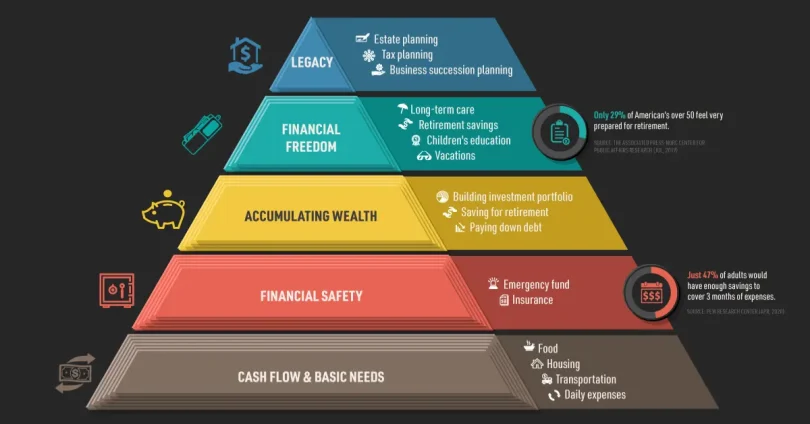
Basic financial planning for beginners is the foundation of a stable and stress free financial life. Many people feel confused when it comes to managing money, saving, or planning for the future. This confusion often leads to poor decisions, unnecessary debt, and constant money pressure. The good news is that financial planning does not need to be complicated or technical to be effective.
Basic financial planning for beginners focuses on understanding income, controlling expenses, saving regularly, and setting realistic goals. These are simple ideas, yet they have a powerful impact when applied consistently. You do not need a high income or advanced knowledge to start. What you need is clarity, patience, and a willingness to learn step by step.
For beginners and intermediate learners, financial planning builds confidence. It helps you understand where your money goes and how to use it wisely. Instead of guessing or reacting to problems, you begin to plan ahead. This reduces stress and gives you control over your financial future.
In this guide, you will learn the essentials of basic financial planning for beginners using simple language and practical examples. Each section is designed to help you take action easily. By the end, you will have a clear understanding of how to plan your finances and build healthy money habits that last.
What is Basic Financial Planning for Beginners?
Basic financial planning for beginners is the process of organizing your money in a clear and practical way. It involves knowing how much you earn, how much you spend, and how much you save. The goal is to make sure your money supports your needs, goals, and future plans.
This type of planning includes budgeting basics, saving strategies, and debt control. It also helps you prepare for emergencies and unexpected expenses. Unlike advanced financial planning, it keeps things simple and easy to follow.
Basic financial planning for beginners is about building strong habits. These habits form the base for long term financial success and better decision making.
Why is Basic Financial Planning for Beginners Important?
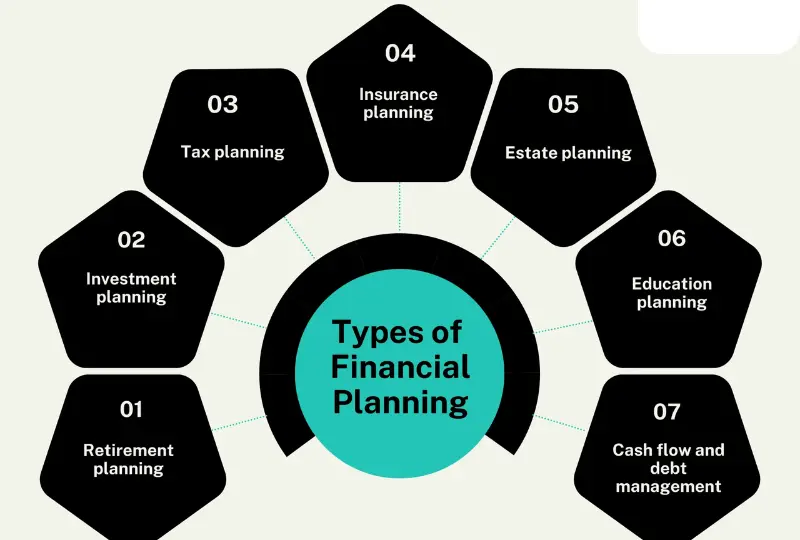
Financial planning is important because it gives direction to your money. Without a plan, money is often spent without purpose, leading to stress and regret. Planning helps you stay focused and organized.
Another reason basic financial planning for beginners matters is security. When you plan, you save for emergencies and avoid unnecessary debt. This protects you during difficult times.
Most importantly, planning helps you reach goals. Whether it is saving, investing, or improving your lifestyle, a clear plan makes progress possible and measurable.
Detailed Step-by-Step Guide
Step One Understand Your Income
Start by knowing your total monthly income.
Include salary, freelance work, or any regular earnings.
Step Two Track All Expenses
Write down every expense for one month.
This shows where your money actually goes.
Step Three Create a Simple Budget
Divide income into needs, savings, and wants.
This is a key part of budget planning.
Step Four Set Clear Financial Goals
Decide what you want to achieve financially.
Goals give meaning to your planning efforts.
Step Five Build an Emergency Fund
Save a small amount regularly for emergencies.
This fund provides safety and peace of mind.
Step Six Manage Debt Wisely
Pay high interest debts first when possible.
Avoid taking new unnecessary loans.
Step Seven Save Consistently
Make saving a fixed habit every month.
This strengthens personal finance basics.
Step Eight Review and Adjust Regularly
Check your plan monthly and make changes.
Life changes require flexible planning.
Benefits of Basic Financial Planning for Beginners
- Reduces financial stress
- Builds saving discipline
- Improves money management tips
- Increases financial awareness
- Supports long term goals
- Creates financial confidence
Disadvantages / Risks
- Requires patience and consistency
- Results may feel slow initially
- Needs regular effort and review
- Can feel restrictive at the start
Common Mistakes to Avoid
One common mistake is not tracking expenses properly. Without tracking, planning becomes guesswork and leads to failure.
Another mistake is setting unrealistic goals. Goals should match income and lifestyle to stay achievable.
Many beginners also stop planning too early. Financial planning is an ongoing process, not a one time task.
FAQs
What is the first step in financial planning?
The first step is understanding your income and expenses clearly.
Is basic financial planning only for beginners?
No, even experienced people benefit from simple planning basics.
How much should beginners save?
Saving even a small amount regularly is a good start.
Can financial planning help reduce debt?
Yes, planning helps control spending and manage debt wisely.
Do I need financial tools to plan?
No, simple notes or spreadsheets are enough for beginners.
How often should I review my plan?
Reviewing monthly helps keep your plan effective and updated.
Expert Tips & Bonus Points
Start small and build habits gradually to avoid frustration.
Focus on consistency rather than perfection.
Use simple categories to keep planning easy.
Celebrate small wins to stay motivated.
Conclusion
Basic financial planning for beginners is not about complex systems or strict rules. It is about understanding your money and using it with intention. When you know your income, track expenses, and plan ahead, financial stress begins to fade. You feel more confident and in control of your decisions.
This type of planning builds a strong foundation. It teaches discipline, patience, and awareness. Over time, these qualities improve every area of your financial life. Saving becomes easier, spending becomes smarter, and goals feel achievable.