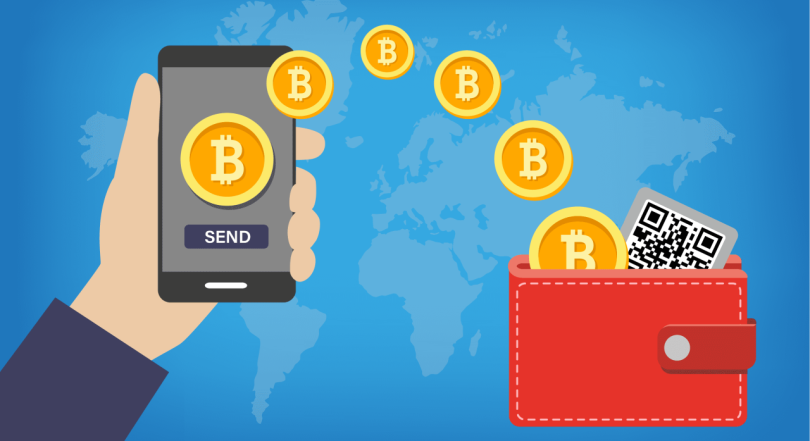

In the rapidly evolving world of digital finance, cryptocurrencies have emerged as a revolutionary form of money. From Bitcoin to Ethereum, these digital assets offer a decentralized, borderless alternative to traditional currencies. However, managing and securing these digital currencies requires specialized tools, and this is where cryptocurrency wallets come into play. A wallet is a digital tool designed to store, manage, and facilitate transactions involving cryptocurrencies safely and efficiently. In this article, we explore what cryptocurrency wallets are, how they work, their types, advantages, challenges, and best practices for use.
Understanding Cryptocurrency Wallets

A cryptocurrency wallet is a software program or device that enables users to store private and public keys, interact with various blockchain networks, and manage their cryptocurrency holdings. Unlike traditional wallets that physically hold money, digital wallets do not store the cryptocurrency itself. Instead, they securely store the cryptographic keys needed to access and transact your digital assets.
At its core, a wallet consists of two key components:
- Public Key: This is similar to an account number. It is visible to others and is used to receive cryptocurrency.
- Private Key: This acts like a password or PIN. It must remain secret, as anyone with access to it can control the associated cryptocurrency.
By managing these keys, wallets allow users to send, receive, and monitor their cryptocurrency holdings. Without a wallet, it would be impossible to participate in cryptocurrency transactions, as there would be no way to prove ownership or access funds on the blockchain.
Types of Cryptocurrency Wallets
Cryptocurrency wallets can be broadly classified into hot wallets and cold wallets, based on their connection to the internet. Each type serves different purposes and comes with its own set of benefits and risks.
Hot Wallets
Hot wallets are connected to the internet, making them more convenient for frequent transactions. They are ideal for users who actively trade or use their cryptocurrencies for daily transactions.
- Software Wallets: These are applications or programs installed on desktops, laptops, or smartphones. They can be user-friendly and offer features like transaction history, QR code scanning, and portfolio tracking.
- Web Wallets: These wallets operate entirely online and are accessed through web browsers. They are easy to use but may carry higher security risks since they are always online.
The main advantage of hot wallets is convenience. Users can access their funds instantly and carry out transactions without delay. However, this constant internet connection makes them vulnerable to hacking and phishing attacks.
Cold Wallets
Cold wallets, on the other hand, are offline storage solutions. They provide higher security because they are not connected to the internet, making them resistant to cyber threats.
- Hardware Wallets: These are physical devices specifically designed to store cryptocurrencies securely. They often come with a screen and buttons to confirm transactions, ensuring that private keys never leave the device.
- Paper Wallets: This involves printing the private and public keys on paper, which can be stored safely offline. Paper wallets are highly secure from online threats but require careful handling to prevent loss or damage.
Cold wallets are preferred by long-term investors or those holding significant amounts of cryptocurrency, as they offer maximum security for digital assets.
How Cryptocurrency Wallets Work
Understanding how wallets work requires a basic understanding of blockchain technology. Blockchain is a distributed ledger that records every cryptocurrency transaction. Every transaction involves transferring ownership from one wallet to another, verified by network nodes through complex cryptographic processes.
When a user sends cryptocurrency from one wallet to another, the wallet uses the private key to sign the transaction digitally, proving ownership of the funds. This transaction is then broadcast to the network for verification and added to the blockchain. Since only the holder of the private key can sign transactions, wallets ensure that digital assets remain secure and under the user’s control.
Some wallets also provide additional features such as transaction history, portfolio tracking, price alerts, and integration with decentralized applications. These tools enhance usability and allow users to make informed decisions about their digital assets.
Advantages of Using Cryptocurrency Wallets
Using a wallet to manage cryptocurrencies offers numerous benefits:
- Security: Wallets provide encryption and authentication features to protect digital assets from theft or unauthorized access.
- Control: Users maintain full control over their private keys, allowing them to manage their funds independently without relying on banks or intermediaries.
- Convenience: Digital wallets streamline transactions, allowing instant transfers to anyone in the world.
- Record Keeping: Wallets often include transaction history and portfolio management tools, helping users track their spending, profits, and losses.
- Accessibility: With mobile wallets, cryptocurrencies can be accessed from anywhere, providing financial inclusion and flexibility.
Challenges and Risks
Despite their benefits, cryptocurrency wallets are not without challenges. Users must understand potential risks to protect their assets effectively:
- Cybersecurity Threats: Hot wallets connected to the internet are vulnerable to hacking, malware, and phishing attacks.
- Loss of Private Keys: Losing a private key means losing access to the cryptocurrency permanently. Unlike bank accounts, there is no recovery mechanism.
- Scams and Fraud: Users must be cautious about fake wallets or malicious software claiming to store cryptocurrencies.
- Complexity: Some wallets may be difficult for beginners to use, leading to mistakes in transactions or security management.
Mitigating these risks requires careful selection of wallets, regular backups, and adherence to security best practices.
Best Practices for Using Cryptocurrency Wallets
To maximize the benefits and minimize risks, users should adopt the following best practices:
- Use Cold Storage for Large Holdings: Store significant amounts of cryptocurrency in hardware or paper wallets to protect against online threats.
- Enable Two-Factor Authentication: For wallets with online access, enable additional layers of security to prevent unauthorized access.
- Backup Private Keys: Always keep multiple backups of private keys in secure locations.
- Stay Updated: Ensure your wallet software is always up-to-date to benefit from the latest security enhancements.
- Verify Wallet Sources: Only download wallets from official sources to avoid malware or counterfeit software.
- Limit Exposure: Keep only the funds needed for daily transactions in hot wallets, while storing long-term holdings in cold wallets.
By following these practices, users can enjoy the convenience of digital wallets while minimizing the risks associated with cryptocurrency storage.
The Future of Cryptocurrency Wallets
The future of cryptocurrency wallets is promising, with innovation continuously enhancing security, usability, and integration. Emerging trends include:
- Multi-Currency Wallets: Modern wallets are beginning to support a wide range of cryptocurrencies, allowing users to manage multiple assets from a single platform.
- Decentralized Wallets: With the rise of decentralized finance, wallets are integrating features that allow users to interact directly with decentralized applications without intermediaries.
- Biometric Security: Future wallets may include advanced biometric authentication, such as fingerprint or facial recognition, to increase security and ease of use.
- Cross-Platform Integration: Wallets will likely integrate with more financial platforms, making cryptocurrency management seamless across different digital ecosystems.
As cryptocurrency adoption grows, wallets will continue to evolve, becoming more secure, intuitive, and essential for anyone participating in digital finance.
Conclusion
A cryptocurrency wallet is much more than a digital storage tool; it is a gateway to the world of digital finance. By securely managing private and public keys, wallets empower users to take full control of their digital assets. From hot wallets for convenience to cold wallets for maximum security, there are options to suit every user’s needs. While challenges such as cybersecurity threats and the potential loss of private keys exist, following best practices can ensure the safe management of cryptocurrencies.
As the digital economy expands, understanding and using cryptocurrency wallets effectively will become increasingly important. They are not just tools for storage—they are the foundation for secure, accessible, and independent financial management in the digital age.