

Introduction
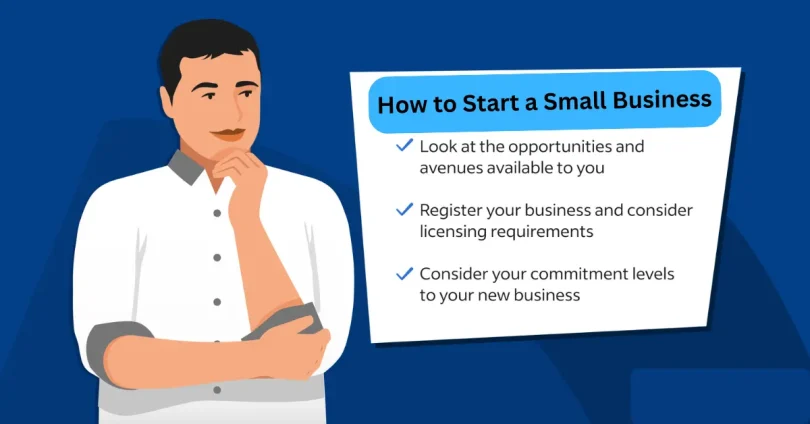
Learning how to start a small business is a dream for many people who want financial freedom and control over their work life. Whether you want to escape a regular job, earn extra income, or turn a passion into profit, starting small is often the smartest choice. A small business allows you to grow at your own pace while learning real-world skills.
For beginners, the process may feel overwhelming. There are ideas to choose from, money decisions to make, and legal steps to follow. Intermediate learners may already have ideas but struggle with planning, budgeting, or execution. This guide is designed to make everything simple and clear.
Understanding how to start a small business does not mean taking big risks right away. In fact, many successful entrepreneurs began with limited resources and basic knowledge. What mattered most was planning, consistency, and smart decision-making.
This article explains each step in easy English. You will learn what a small business is, why it matters, and how to launch one successfully. You will also discover benefits, risks, common mistakes, and expert tips. If you follow this guide carefully, you will have a strong foundation to start your journey with confidence and clarity.
What is How to Start a Small Business?
How to start a small business means creating and running a business on a small scale with limited investment and resources. It usually involves offering products or services to a local or online market.
A small business can be run by one person or a small team. Examples include online stores, service providers, freelancers, and local shops. The goal is to meet customer needs while earning profit.
Starting small allows learning and growth without heavy financial pressure.
Why is How to Start a Small Business Important?
Knowing how to start a small business is important because it reduces failure risk. Many businesses fail due to poor planning and unclear goals.
A proper start helps manage startup costs, create a strong business plan, and build customer trust. It also allows better control over time, income, and decisions.
Small businesses also support economic growth and create job opportunities.
Detailed Step-by-Step Guide
Step 1: Choose the Right Business Idea
Start with an idea that matches your skills and interests. Research market demand and competition.
Good small business ideas solve real problems.
Step 2: Research the Market
Study your target customers and competitors. Understand pricing, demand, and customer behavior.
Market research helps avoid costly mistakes.
Step 3: Create a Simple Business Plan
A business plan outlines goals, budget, and strategy. It does not need to be complex.
Include startup costs, pricing, and marketing ideas.
Step 4: Decide on a Budget
Calculate how much money you need to start. Include equipment, marketing, and basic expenses.
Always keep extra funds for emergencies.
Step 5: Register Your Business
Choose a business name and register it according to local laws. Open a separate business account.
Legal registration builds trust and credibility.
Step 6: Set Up Operations
Arrange tools, suppliers, and systems needed to run the business. Keep operations simple.
Efficiency saves time and money.
Step 7: Start Marketing
Promote your business through online and offline methods. Focus on your target audience.
Consistent marketing brings steady growth.
Benefits of How to Start a Small Business
- Low startup costs compared to large businesses
- Full control over decisions and direction
- Flexible working hours and location
- Opportunity to turn passion into income
- High growth potential over time
Disadvantages / Risks
- Income may be unstable at the beginning
- Limited resources and funding
- High responsibility on the owner
- Market competition can be tough
- Risk of failure without planning
Common Mistakes to Avoid
Many people rush into business without research. Skipping market research often leads to poor sales.
Another mistake is underestimating startup costs. Always plan expenses carefully.
Lack of marketing is also common. Even good products need promotion.
Ignoring customer feedback can stop growth. Listening helps improve services.
FAQs
How much money do I need to start a small business?
The amount depends on the business type. Some online businesses need very little money, while others need more investment.
Can I start a small business while working a job?
Yes, many people start part-time. It reduces risk and provides stable income.
Do I need a business plan?
Yes, even a simple plan helps guide decisions and track progress.
How long does it take to become profitable?
It varies by industry. Some businesses earn quickly, while others take months.
What is the best small business for beginners?
Service-based and online businesses are often easier for beginners.
How can I reduce business risks?
Start small, research well, manage costs, and adapt based on feedback.
Expert Tips & Bonus Points
Focus on customer value rather than quick profit. Happy customers bring repeat business.
Keep learning and improving skills. Education supports long-term success.
Track expenses and income regularly. Financial control is essential.
Be patient and consistent. Growth takes time and effort.
Conclusion
Understanding how to start a small business is the first step toward building a stable and rewarding future. A small business offers freedom, learning, and growth opportunities for people willing to put in effort and planning. While challenges exist, they can be managed with the right approach.
Starting small allows you to test ideas, learn from mistakes, and improve gradually. By choosing the right idea, researching the market, creating a simple business plan, and managing costs, you can reduce risks significantly. Marketing and customer focus play a key role in long-term success.
This guide has shared practical steps, benefits, risks, and expert advice to help you move forward confidently. Whether you are a beginner or have some experience, the principles remain the same. Stay focused, stay patient, and keep learning. With dedication and smart decisions, starting a small business can become one of the most rewarding choices of your life.
