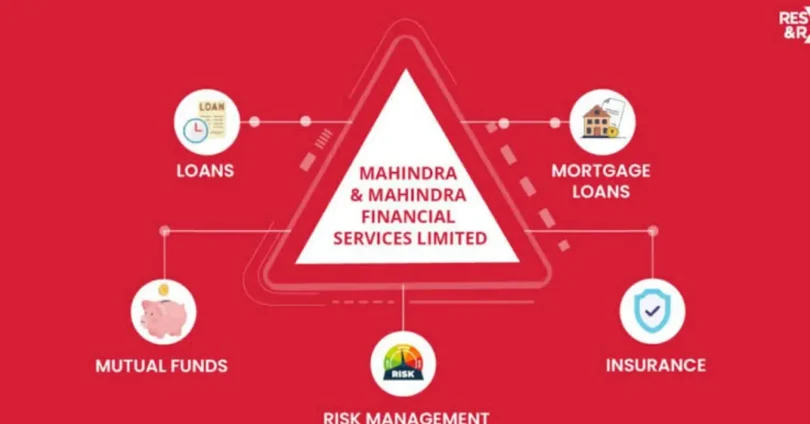

Mahindra Finance is one of India’s well-known non-banking financial companies (NBFCs). It provides financial services such as vehicle loans, tractor financing, personal loans, business loans, and other lending solutions.
The company operates under the name Mahindra & Mahindra Financial Services Limited and is part of the Mahindra Group. It focuses on providing financial support to customers in urban and rural markets.
The Mahindra Finance share price is an important topic for investors who follow the Indian stock market and financial services sector. Investors often monitor its stock performance, quarterly results, loan growth, asset quality, and future business opportunities before making investment decisions.
Mahindra Finance Share Price Today

Mahindra & Mahindra Financial Services Limited is listed on the Indian stock exchanges under the NSE symbol M&MFIN and BSE code 532720.
As of November 12, 2026, the share price closed at approximately ₹286.15 on the NSE. The stock recorded a 52-week high of ₹415 and a 52-week low of ₹253.40.
These are historical closing figures, not a live November 13 quote. Kotak Neo+2
Mahindra Finance Share Market Details
| Particular | Details |
|---|---|
| Company Name | Mahindra & Mahindra Financial Services Limited |
| NSE Symbol | M&MFIN |
| BSE Code | 532720 |
| Sector | Financial Services |
| Industry | NBFC |
| Headquarters | Mumbai, India |
| 52-Week High | ₹415 |
| 52-Week Low | ₹253.40 |
| Latest referenced closing price | ₹286.15 |
What Is Mahindra Finance?
Mahindra & Mahindra Financial Services Limited is an Indian non-banking financial company that provides financing solutions to individuals, farmers, businesses, and vehicle buyers.
The company was incorporated in 1991 and has developed a strong presence in vehicle financing and rural financial services.
Its lending activities cover different customer groups, including farmers, self-employed individuals, salaried employees, and small businesses.
Mahindra Finance aims to make financial services more accessible, particularly in rural and semi-urban areas.
History of Mahindra Finance
Mahindra Finance began its operations in 1991 as a financial services company within the Mahindra Group.
Initially, the company focused on vehicle financing and supporting customers purchasing Mahindra vehicles. Over time, it expanded its services to include financing for tractors, commercial vehicles, used vehicles, housing, and other financial requirements.
The company gradually strengthened its presence across India by expanding its branch network and introducing additional lending products.
Today, Mahindra Finance operates as an established NBFC serving customers across several financial segments.
Services Offered by Mahindra Finance
Mahindra Finance provides various financing products designed to meet the requirements of individuals and businesses.
Vehicle Loans
Vehicle financing is one of the company’s important business activities.
Customers can explore financing options for new and pre-owned vehicles, including cars, utility vehicles, and commercial vehicles.
Tractor Loans
Mahindra Finance provides financing solutions for eligible customers who want to purchase tractors and agricultural equipment.
These loans support farmers and other customers involved in agricultural activities.
Commercial Vehicle Loans
Commercial vehicle financing helps eligible businesses and individuals purchase vehicles used for transportation and commercial purposes.
These loans can support business expansion and transportation operations.
Used Vehicle Financing
Customers interested in purchasing pre-owned vehicles may explore used vehicle financing options.
Loan eligibility depends on the vehicle, applicant’s financial position, and applicable lending conditions.
Personal Loans
Personal loans can help eligible customers manage financial requirements such as medical expenses, education costs, and other personal needs.
Business Loans
Business financing supports eligible entrepreneurs and small businesses that require funds for working capital, equipment, and expansion.
Loan Against Property
Loan against property allows eligible customers to obtain financing by using residential or commercial property as security.
You may also like these posts:
Anytime Fitness: A Complete Guide to Membership and Benefits
Bajaj Housing Finance Share Price and Stock Analysis
Tech Mahindra Share Price and Stock Analysis Guide
Education Portal 3.0: Login, Registration and Features
Business Model of Mahindra Finance

The business model of Mahindra Finance focuses on providing loans and earning income through interest and other financial services.
The company finances vehicles, tractors, equipment, and other financial requirements for eligible customers.
Its business activities include:
- Vehicle financing
- Tractor financing
- Commercial vehicle loans
- Used vehicle financing
- Personal loans
- Business financing
- Loan against property
- Vehicle leasing solutions
The company earns a significant portion of its income from interest on loans. It also generates income through related financial services.
A diversified lending portfolio helps the company serve different customer segments and develop additional business opportunities.
Factors Affecting Mahindra Finance Share Price
Several factors can influence the Mahindra Finance share price.
Financial Performance
Revenue, net profit, operating expenses, and earnings growth are important indicators of the company’s financial position.
Strong financial results may improve investor confidence, while weak performance can affect market sentiment.
Vehicle Financing Demand
Demand for cars, tractors, utility vehicles, and commercial vehicles can influence the company’s lending business.
Higher vehicle sales may create additional financing opportunities.
Rural Economy
Mahindra Finance has an important presence in rural and semi-urban markets.
Agricultural income, monsoon conditions, rural employment, and economic activity can influence customers’ borrowing and repayment capacity.
Asset Quality
Non-performing assets are an important measure of lending risk.
An increase in overdue loans may affect profitability, while improved collections can support financial performance.
Interest Rates
Changes in interest rates can influence borrowing costs, lending rates, and the company’s profit margins.
Market Conditions
Overall stock market performance, investor sentiment, and developments in the financial services sector can also affect the share price.
Financial Performance of Mahindra Finance
Financial performance helps investors understand the company’s ability to generate income and manage lending activities.
For FY2026, Mahindra Finance reported consolidated total income of approximately ₹21,087 crore and profit after tax of approximately ₹4,242 crore, according to reported financial data. ET Money
The company’s second-quarter FY2027 results, announced on October 21, 2026, showed strong year-on-year growth.
Important Q2 FY2027 standalone highlights included:
- Profit after tax of ₹882 crore, up 55% year on year.
- Assets under management growth of 15%.
- Disbursement growth of 22%.
- Credit costs of 1.6%.
These results indicate improvements in business activity and profitability during the reported quarter. FinancialFilings
Investors should also examine the following financial indicators:
Net Interest Income: Measures the difference between interest earned and interest paid.
Net Profit: Shows the company’s earnings after expenses and applicable provisions.
Assets Under Management: Represents the total value of loans and other assets managed by the company.
Gross NPA: Indicates the level of loans classified as non-performing.
Net NPA: Shows non-performing loans after eligible provisions.
Return on Assets: Measures how effectively the company uses its assets to generate earnings.
Future Growth Opportunities of Mahindra Finance
Mahindra Finance operates in a financial services sector that offers several opportunities.
Growth in Vehicle Financing
Increasing demand for passenger vehicles, commercial vehicles, and utility vehicles can support financing business growth.
Agricultural Financing
Agriculture remains an important part of India’s economy. Financing for tractors and agricultural equipment can create opportunities for the company.
Digital Lending
Digital technology can improve loan applications, customer verification, payment collection, and customer service.
Rural Market Expansion
Growing financial awareness and access to banking services can create opportunities in rural and semi-urban markets.
Business Financing
Small businesses and entrepreneurs require financial support for working capital, equipment, and expansion.
Risks of Investing in Mahindra Finance Shares
Although the company has several growth opportunities, investors should understand the risks associated with its business.
Credit Risk
Borrowers may fail to repay loans on time, which can increase bad loans and affect profitability.
Rural Economic Conditions
Weak agricultural income, poor monsoon conditions, or rural economic difficulties may affect loan demand and repayment capacity.
Competition
The company competes with banks, NBFCs, and other financial institutions offering vehicle and business financing.
Funding Costs
Higher borrowing costs may put pressure on the company’s interest margins.
Share Price Volatility
Stock prices can change because of financial results, market sentiment, economic conditions, and investor expectations.
Is Mahindra Finance a Good Investment?
Whether Mahindra Finance is a suitable investment depends on an individual’s financial goals, investment period, and risk tolerance.
The company has an established presence in vehicle financing and rural financial services. Its business may benefit from demand for vehicle loans, agricultural equipment financing, and other credit products.
However, investors should carefully evaluate asset quality, loan growth, funding costs, profitability, and market valuation.
Comparing Mahindra Finance with other listed NBFCs can also help investors understand its competitive position.
Investors should avoid making decisions based only on short-term price movements or market predictions.
How to Analyse Mahindra Finance Share Price
Investors can consider several factors before evaluating the stock:
- Review quarterly and annual financial results.
- Examine profit and revenue growth.
- Monitor assets under management.
- Check gross and net non-performing assets.
- Study vehicle financing demand.
- Review funding costs and interest margins.
- Compare valuation with other NBFC companies.
- Monitor management announcements and business developments.
This approach can provide a better understanding of the company’s financial position and investment risks.
Frequently Asked Questions
1. What is Mahindra Finance?
Mahindra Finance is an Indian non-banking financial company that provides vehicle financing, tractor loans, personal loans, business loans, and other financial services.
2. What is the NSE symbol of Mahindra Finance?
The NSE trading symbol of Mahindra & Mahindra Financial Services Limited is M&MFIN.
3. What is the BSE code of Mahindra Finance?
The BSE code of Mahindra Finance is 532720.
4. What was the Mahindra Finance share price on November 12, 2026?
The NSE closing price was approximately ₹286.15 on November 12, 2026.
5. What is the main business of Mahindra Finance?
Its main business includes vehicle financing, tractor loans, commercial vehicle financing, and other lending and financial services.
Conclusion
Mahindra Finance is an established Indian NBFC that provides vehicle loans, tractor financing, personal loans, business loans, and other financial services. Its presence in rural and semi-urban markets gives it opportunities to serve different customer segments.
The Mahindra Finance share price is influenced by financial performance, vehicle financing demand, rural economic conditions, asset quality, interest rates, and overall market sentiment.
The company’s recent financial results show growth in profit, disbursements, and assets under management. However, investors should continue monitoring credit quality, funding costs, competition, and valuation.
A careful review of financial performance and business risks can help investors make more informed decisions.